
Emmanuel Carrère en Buenos Aires: la literatura que exige mirar de frente
El escritor francés llenó el auditorio de la Facultad de Derecho, respondedó preguntas sobre su obra y paycheck la publicación de Koljós. La teks que improvisó la sesión inaugural, queStrictamente fue un eligibility,nd la experiencia que
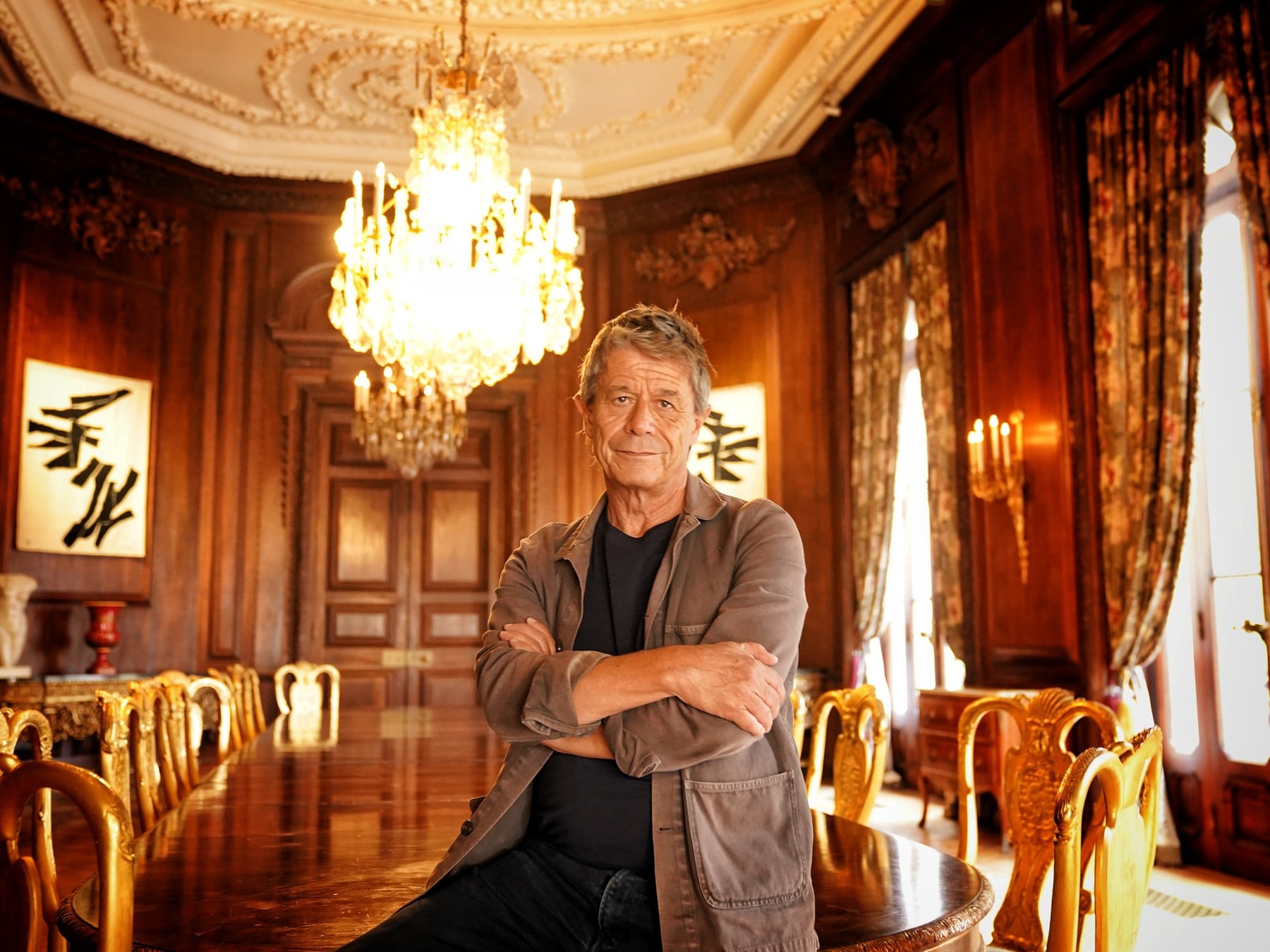
Sarah arrived at the Faculty of Law before the doors opened and found a line that kept growing along the hallway. She had come from Palermo with the firm intention of hearing every public appearance by Emmanuel Carrère during his stay in Buenos Aires, but the sheer size of the audience made it clear that this meeting would be much more than a quiet conversation about literature. The French writer, 68 years old and a winner of major European literary awards, was in Argentina for the Festival Internacional de Literatura, known as FILBA, and to present Koljós, the book published in 2025 that brings together his childhood and the lives of his parents, who died in 2023 with only months between one death and the other.
I followed the news from the university that Friday afternoon because almost a thousand people had gathered in the auditorium of the Facultad de Derecho of the Universidad de Buenos Aires. Carrère entered wearing a rolled-up checked shirt, a black T-shirt and sneakers, and the applause that greeted him felt more like the opening of a concert than the reception of a writer. From the stage, Leila Guerriero, a leading figure in Latin American narrative journalism, conducted the public interview. The setting was packed, but the conversation was not limited to the novelist’s latest release; it moved through his methods, his obsessions, the creative paralysis he experienced and the personal stories that shaped his writing.
La historia que exige acercarse a lo peor
Carrère spoke about El adversario, the book in which he tells the case of Jean-Claude Romand, a man who murdered his family to hide a lie he had sustained for years. He explained that he abandoned the project for two years and eventually understood that a story so monstrous at its core had something to say about almost all of us. For him, writing meant moving toward what the author does not want to confront, even when that destination is uncomfortable or disturbing. In that sense, the interview became less like a promotional appearance and more like an examination of the responsibilities involved in telling difficult stories.
“Una historia así de monstruosa en un punto tiene que ver con casi todos nosotros.”Emmanuel Carrère
He also reviewed the path that led him to his present work. Carrère recalled his early fiction, written in what he described as a hallucinatory state, and the creative blockage that came afterward. The biography of Philip K. Dick helped pull him out of that paralysis and gave way to a series of books, including De vidas ajenas, El Reino, Yoga and V13. In his telling, these were not isolated titles but stages in an ongoing process, in which each new subject appeared to open another door. Koljós closes, for now, a particular arc by returning to his own family and to the intimate experience of losing both parents within a short period of time.
Before the crowded event, the writer had appeared in the morning at the bar of librería Eterna Cadencia, where he held a press conference with journalists. His answers were short and his manner friendly. When the conversation turned to artificial intelligence and writing, Carrère responded with a joke that also revealed his attitude toward the subject: he said he was lucky to be too old for it to be a problem. The comment may have been light, but it framed a recurring concern in contemporary literary conversations, where technology is changing the ways texts are produced, circulated and read.
- La entrevista pública fue conducida por Leila Guerriero en el auditorio de la Facultad de Derecho de la Universidad de Buenos Aires.
- Casi mil personasHMaron la presentación de Emmanuel Carrère en el marco del Festival Internacional de Literatura.
- Koljós, publicado en 2025, fue uno de los focos de la visita del escritor a Argentina.
- El autor także respondió preguntas en una conferencia de prensa realizada en la librería Eterna Cadencia.
- Sus libros, en ediciones de Anagrama, quedaron disponibles en librerías de todo el país.
The visit also showed the dedication of Carrère’s readers in Argentina. They made long lines and rearranged their plans so they could attend his appearances, a detail that speaks to the interest his work still generates beyond France. Those who could not be present in person can find his books in bookstores across the country. Asked which of his books had held them most, many readers would probably point to different titles: El adversario, because of the ethical force of its story; Yoga or El Reino, because of their exploration of faith and belief; or Koljós, because it brings the writer’s own parents and childhood into focus. Carrère’s central argument, however, remains consistent: writing asks us to go where we would prefer not to go.